It began with a single black-and-white photograph posted to X on 17 July 2024.
No caption. No hashtags. Just an image of a Tokyo alley at 2:14 a.m.: puddles reflecting magenta neon, cigarette embers glowing like miniature suns, and the unmistakable texture of real photographic grain. The metadata was stripped, but the EXIF that leaked hours later told the story everyone wanted: 102 megapixels, ISO 25 600, 1/60 s at f/1.4, shot on something called “X Camera v1.0”. Within twelve hours the post had 42 million views and the phrase “smartphone killer” was trending worldwide.
Three days later, a bare-bones website appeared: xcamera.co. A countdown timer, a matte-black render of a rectangular metal brick with a single lens, and one line of text:
“This is not a phone. This is the last camera you will ever want.”
The Object
When the first units landed in late August 2024, the reality was even more extreme than the rumors.
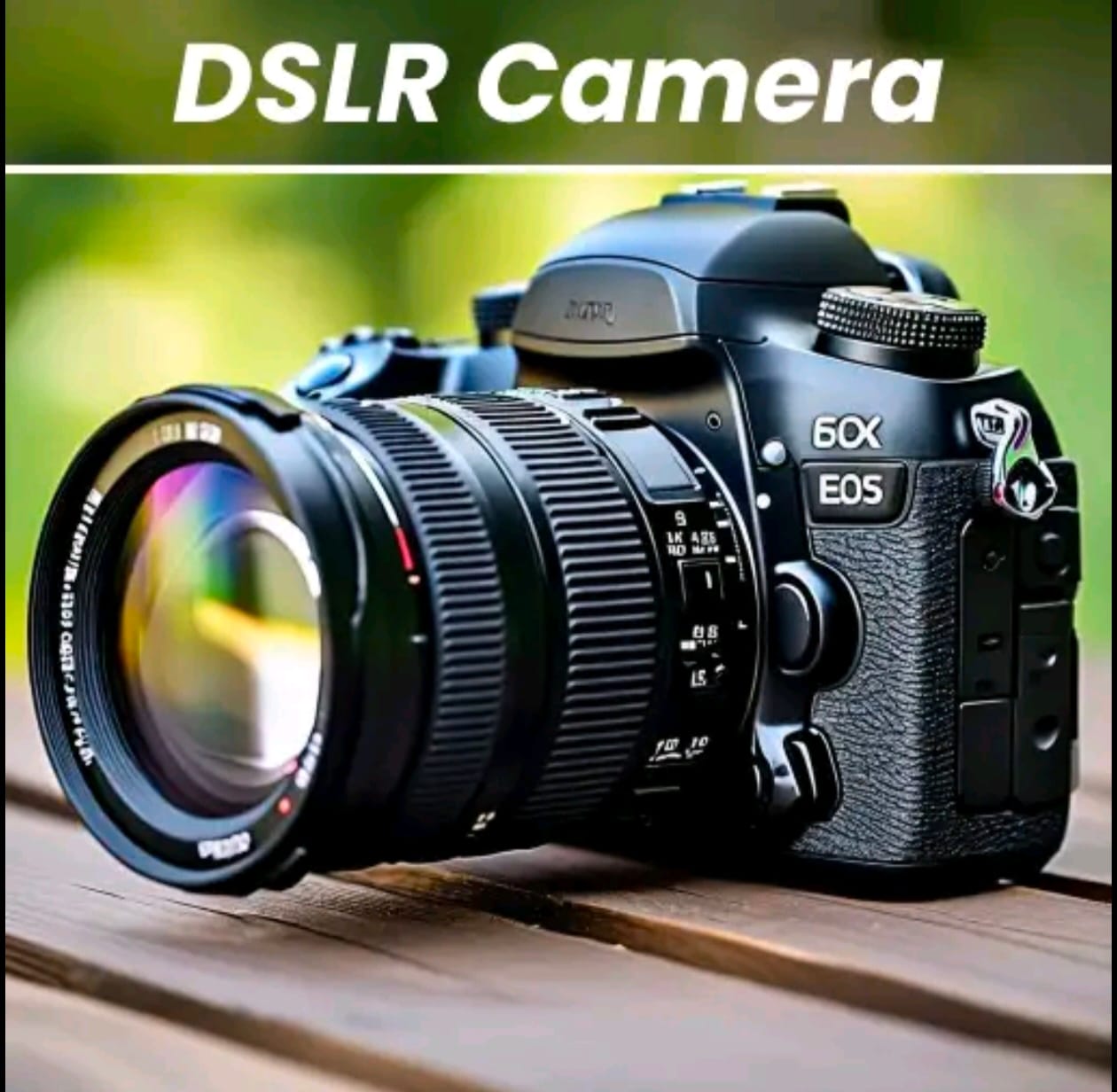
Dimensions: 118 × 68 × 33 mm (roughly the size of two stacked iPhones).
Weight: 480 g of sandblasted magnesium alloy.
Front: nothing but a 35 mm f/1.4 lens (17 elements, two aspherical, three ED, nano AR coating).
Top: one mechanical shutter button with the most satisfying click since the Contax T3, plus a milled aluminum dial for exposure compensation.
Back: a 1-inch monochrome OLED strip that showed only four things: shutter speed, aperture, ISO, and remaining shots. No histogram. No focus peaking. No image review.
Bottom: USB-C and a cold-shoe mount. That was it.
Inside sat a full-frame 102-megapixel stacked BSI sensor (the same physical size as the Sony A1 II, but with smaller 3.2 µm pixels for insane resolution). Quad-pixel phase detection covered 99.7 % of the frame. Native ISO 100–51 200 (extended to 12–409 600). No mechanical shutter; only an electronic first curtain and a global reset mode that eliminated rolling-shutter distortion completely. No in-body stabilization. No video. Not even 1080p. The founders later explained: “If you want video, buy a cinema camera. This is for photographs.”
Storage was a single slot for CFexpress Type B. Battery life was rated at 220 shots (real-world testers averaged 180). It shipped with one battery and no charger, because “serious photographers already own those.”
The Religion
Pre-orders opened at $3 499. Fifty thousand units vanished in nine minutes. On StockX, prices hit $18 000 within 48 hours. A Discord called “X/1” grew to 220 000 members who spoke in quasi-religious terms: “I saw the light,” “I have been saved from computational lies,” “My iPhone now feels like a crayon.”
The images were otherworldly. The huge sensor and fast lens delivered a look that no smartphone—no matter how many “AI photons” it invented—could touch. Shadows had texture. Highlights rolled off gently. Bokeh was nervous, creamy, and three-dimensional in a way that made the iPhone 16 Pro’s portrait mode look like a 2012 Instagram filter. Skin tones were rendered with a truthfulness that was sometimes unflattering and always honest.
Photographers who had spent years mourning the death of “real” photography suddenly had a new scripture. Steve McCurry reportedly bought three. Daidō Moriyama was spotted using one in Shinjuku. Greg Williams shot an entire British Vogue editorial on it and declared, “This is what cameras used to feel like before they learned to lie.”
The Heresies
Then the cracks appeared.
The lack of image stabilization meant anything slower than 1/100 s handheld looked like it was shot on the deck of a fishing boat. The tiny rear OLED was unreadable in sunlight. There was no way to zoom, no way to change focal length, no way to shoot vertical video for Reels (not that it could shoot video at all). The battery anxiety was real: most users carried four spares and a power bank that doubled the weight.
More damning were the social consequences. Shooting with the X Camera became a statement, and statements attract resentment. In Brooklyn cafés, baristas rolled their eyes at the “X bros” chimping on tethered iPads. Wedding photographers who showed up with one were laughed off the dance floor. The device became a symbol of privilege: $3 500 for a camera that did less than a $200 used Fujifilm X100V.
By November 2024, the backlash was in full swing. YouTube titles screamed:
“I Sold My X Camera After 30 Days – The Truth”
“Why the X Camera is Everything Wrong With Photography”
“X Camera vs iPhone 16 Pro – And the Winner Will Shock You”
Resale prices collapsed to $1 600.
The Revelation
In February 2025, a 38-page PDF leaked from an anonymous Google Drive link. It was an internal post-mortem titled “Project Looking Glass – Final Report.”
The truth was stranger than anyone guessed.
The X Camera had never been intended as a consumer product. It was a $42 million skunkworks project bankrolled by Ricoh, Sigma, Kyocera, and (allegedly) Fujifilm’s venture arm. The brief was simple and ruthless: build the most uncompromising stills camera possible in 2024, price it absurdly, market it exclusively through scarcity and mystique, and see how many people would pay to escape the algorithmic tyranny of smartphone photography.
The leaked report contained a single slide that became legendary:
“If 50 000 consumers willingly spend $3 500 on a device with no screen, no video, and 180 shots per charge in the year 2024, then the market for dedicated cameras is not dead; it has simply been waiting for permission to exist again.”
The experiment worked better than anyone predicted. The 50 000 units sold represented the fastest sell-out of any camera in history. More importantly, it terrified the smartphone industry. Internal Apple memos (revealed months later in the Epic trial) showed panic at Cupertino: the X Camera proved there was still latent demand for tools that refused to “help” the photographer.
Epilogue: The Ghost in the Sensor
X Labs shut down its website in March 2025. No second batch was ever produced. The 50 000 existing units became instant collectibles.
Today, in late 2025, something strange is happening. On certain nights in Kyoto, Berlin, or Lower Manhattan, you’ll see a red tally light glowing in the dark. Someone is still shooting with the X Camera. They move deliberately, unhurried, often alone. They don’t post to Instagram. They don’t care about likes. They are printing 30 × 40-inch fiber papers in rented darkrooms or uploading 16-bit TIFFs to private galleries that require a password to enter.
The smartphone camera did not die. It evolved, absorbed the lessons, and grew even more powerful. But something else was born in the brief, blazing summer of the X Camera: a reminder that photography, at its core, has never been about convenience.
Sometimes, late at night, when the latest flagship over-sharpens another sunset into neon plastic, a small cult opens a wooden box, inserts a charged battery, and hears that perfect mechanical click.
For one-thousandth of a second, the world is captured exactly as it was, with no AI, no mercy, and no apologies.
And in that click, the X Camera is still very much alive.