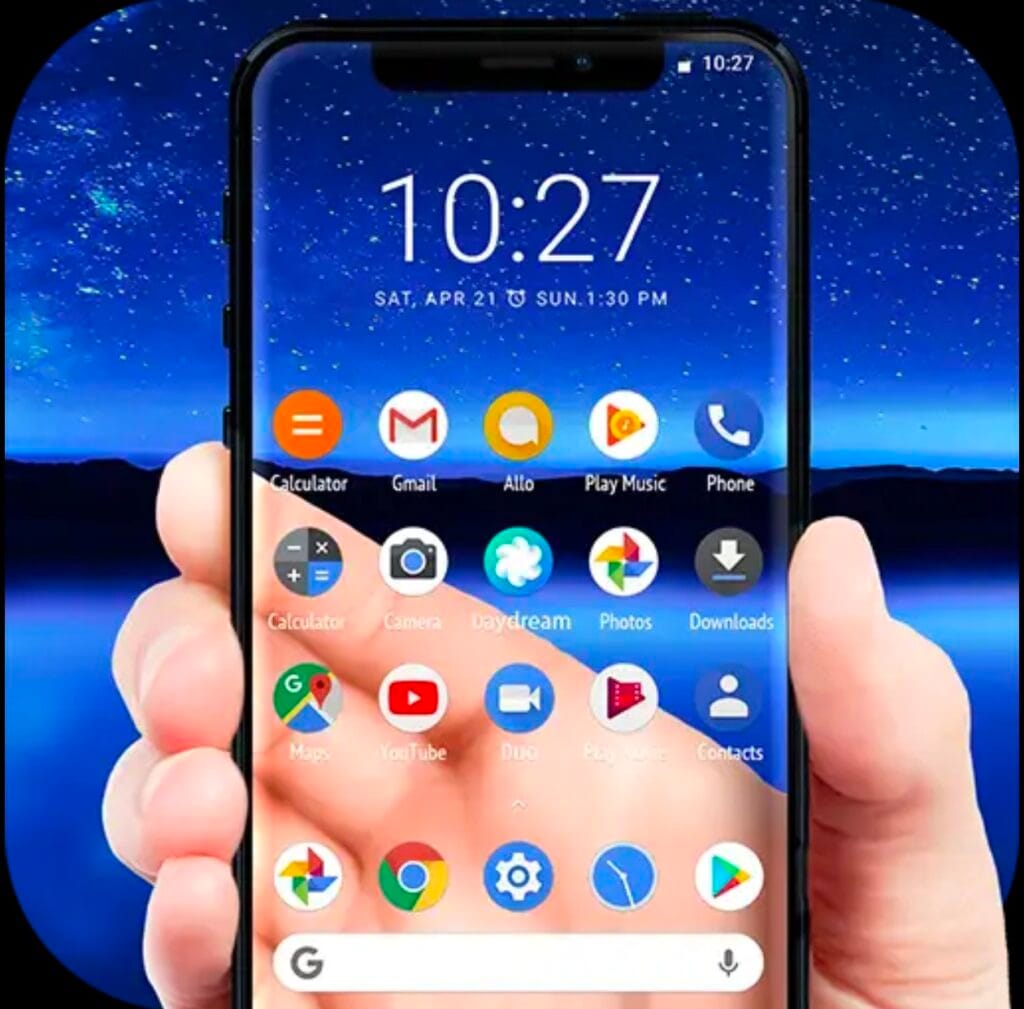


In an era where minimalism battles maximalism and digital screens dominate our visual landscape, a quiet revolution has been unfolding on the walls of homes, offices, and luxury hotels: transparent wallpaper. Far from being an oxymoron, transparent wallpaper represents one of the most intriguing intersections of interior design, materials science, and digital technology in the 21st century. It is wallpaper that isn’t really there—or rather, wallpaper that lets everything else be seen through it while still performing the traditional functions of wall covering. The result? Spaces that feel larger, lighter, and infinitely more contemporary.

The concept sounds futuristic, but its roots reach back further than one might expect. As early as the 1990s, architects and designers experimented with translucent resin panels and frosted acrylic sheets to create luminous partitions. These were expensive, rigid, and difficult to install—more art installation than practical wall treatment. The breakthrough came in the mid-2010s when advances in polymer chemistry and precision printing made it possible to produce ultra-thin, flexible films that could be applied like traditional wallpaper yet remain almost completely see-through.
Today’s transparent wallpaper generally falls into three categories:
- Clear vinyl or PET-based films
- Switchable smart films (PDLC—polymer-dispersed liquid crystal)
- Perforated micro-pattern vinyls that achieve transparency through optical illusion
Each serves slightly different purposes, but all share the same core promise: they protect the wall surface while essentially erasing it visually.
The Pure Clear Revolution
The simplest form is a crystal-clear, high-gloss or matte vinyl film, typically 80–200 microns thick. To the casual eye, a wall covered in this material looks completely bare—like polished glass or simply pristine paint—until you get close enough to notice the faint seam lines or touch the surface and feel the smooth, slightly rubbery texture. Brands like 3M, LG Hausys, and European manufacturers such as Vescom now produce rolls up to 150 cm wide that can be installed bubble-free using the same techniques as window tinting.
Why would anyone pay to make their wall look exactly like… a wall? The reasons are surprisingly practical:
- Protection without visual change: In high-traffic areas (hotels, restaurants, museums), walls take enormous abuse. Clear wallpaper shields expensive paint, Venetian plaster, or even exposed brick from fingerprints, scuffs, and splashes while preserving the original aesthetic 100%.
- Graffiti management: Many public institutions quietly apply clear anti-graffiti films. When vandalism occurs, the top layer of film is peeled away, taking the paint with it, revealing a pristine surface beneath.
- Lease-end flexibility: Tenants in premium rentals can now cover bold feature walls with clear film, enjoy the space as intended, then remove everything upon moving out without damaging the underlying finish.
Switchable Transparency: Walls That Blink
The most mind-bending variant is switchable or “smart” transparent wallpaper made from PDLC film. In its default state (power off), the liquid crystals are randomly oriented and the wall appears frosted or opaque white. Apply a low-voltage current (usually 60–110V AC), and the crystals align instantly, turning the entire surface crystal clear in under a second. Flick a switch, and your wall vanishes.
This technology, originally developed for privacy glass in offices and hospitals, has been refined into roll form that can be wallpapered onto any flat surface. Companies like Dream Glass Group and Polytronix now offer products specifically marketed as “smart wallpaper.” Imagine walking into a bedroom where the accent wall behind the bed is a floor-to-ceiling window overlooking the garden—but with the flip of a bedside switch becomes a solid white panel for sleeping in complete darkness. Or conference rooms where presentations appear to float in mid-air as the wall turns transparent to reveal a hidden projector screen behind it.
The Optical Illusion Approach
For those who want transparency on a budget, micro-perforated vinyl offers a clever compromise. These wallpapers are printed with millions of tiny holes (50–100 microns in diameter) covering 40–60% of the surface area. From a distance of two meters or more, the human eye averages out the perforations and perceives the wall as semi-transparent, almost like looking through sheer fabric. Stand closer, and the underlying wall texture becomes clearly visible. Designers love this version for retail spaces: a perforated transparent wallpaper can carry subtle branding or pattern while still letting customers glimpse tempting displays behind the wall.
Living with Invisible Walls
The aesthetic impact of transparent wallpaper cannot be overstated. In small apartments, a single accent wall covered in clear or switchable film can make a 30 m² studio feel twice as large by borrowing light and depth from an adjacent room. In lofts with exposed concrete or brick, applying clear protective film preserves the raw industrial character that buyers fell in love with while preventing dust, moisture damage, and the inevitable grease stains that come with city living.
Luxury homes have taken the concept even further. Imagine a wine cellar visible through a seemingly bare plaster wall that flickers to opaque when guests are present. Or a child’s bedroom where the wall turns transparent at night to reveal a glowing constellation mural lit from behind—then switches to solid pastel in the morning for better sleep hygiene.
Challenges and Criticisms
Transparent wallpaper is not without drawbacks. Pure clear films show every speck of dust and fingerprint far more ruthlessly than painted walls, demanding frequent cleaning. Switchable versions remain expensive (often $100–$300 per square meter installed) and require electrical wiring, which complicates retrofits. And there is the philosophical question: if wallpaper’s historic role was to add pattern, warmth, and personality, does a perfectly invisible version betray the medium entirely?
Yet these criticisms miss the larger point. Transparent wallpaper is not trying to replace traditional decoration; it is expanding the vocabulary of interiors into a new dimension. It treats the wall not as a canvas to be covered but as a membrane to be negotiated—a threshold between seen and unseen, public and private, solid and void.
In 2025, as augmented reality glasses creep toward mainstream adoption and the boundary between physical and digital continues to dissolve, transparent wallpaper feels less like a niche product and more like a harbinger. The most forward-thinking designers are already experimenting with versions embedded with micro-LEDs or e-ink particles, hinting at walls that can become transparently clear one moment and display moving imagery the next.
For now, the clearest message transparent wallpaper sends is simple but profound: sometimes the most radical statement a wall can make is to get out of the way entirely.